The Ground of CREATIVE Awareness, a Conference in Dharamsala, India
Explore meditation, art, and the origins of creativity
Now accepting applications for 2027
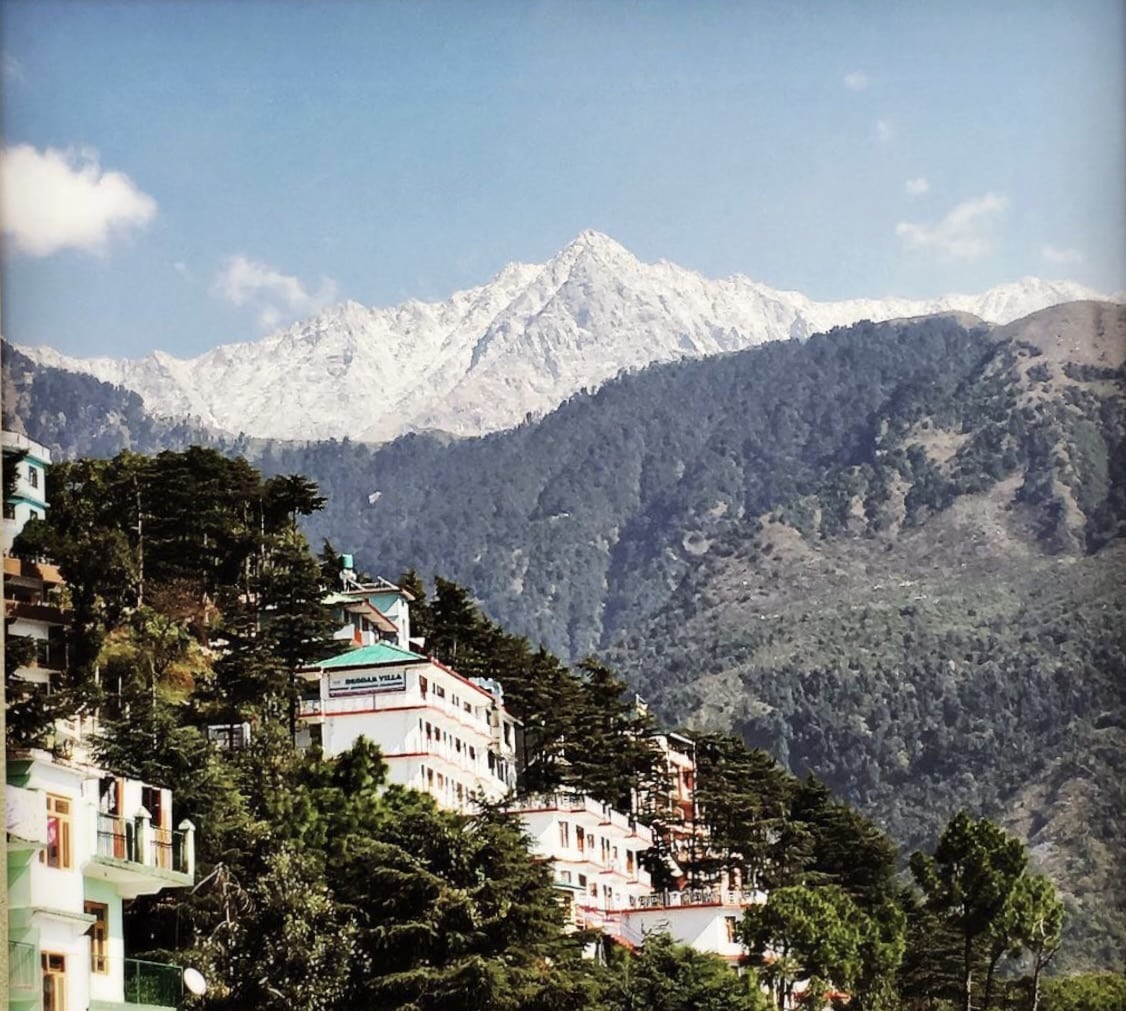
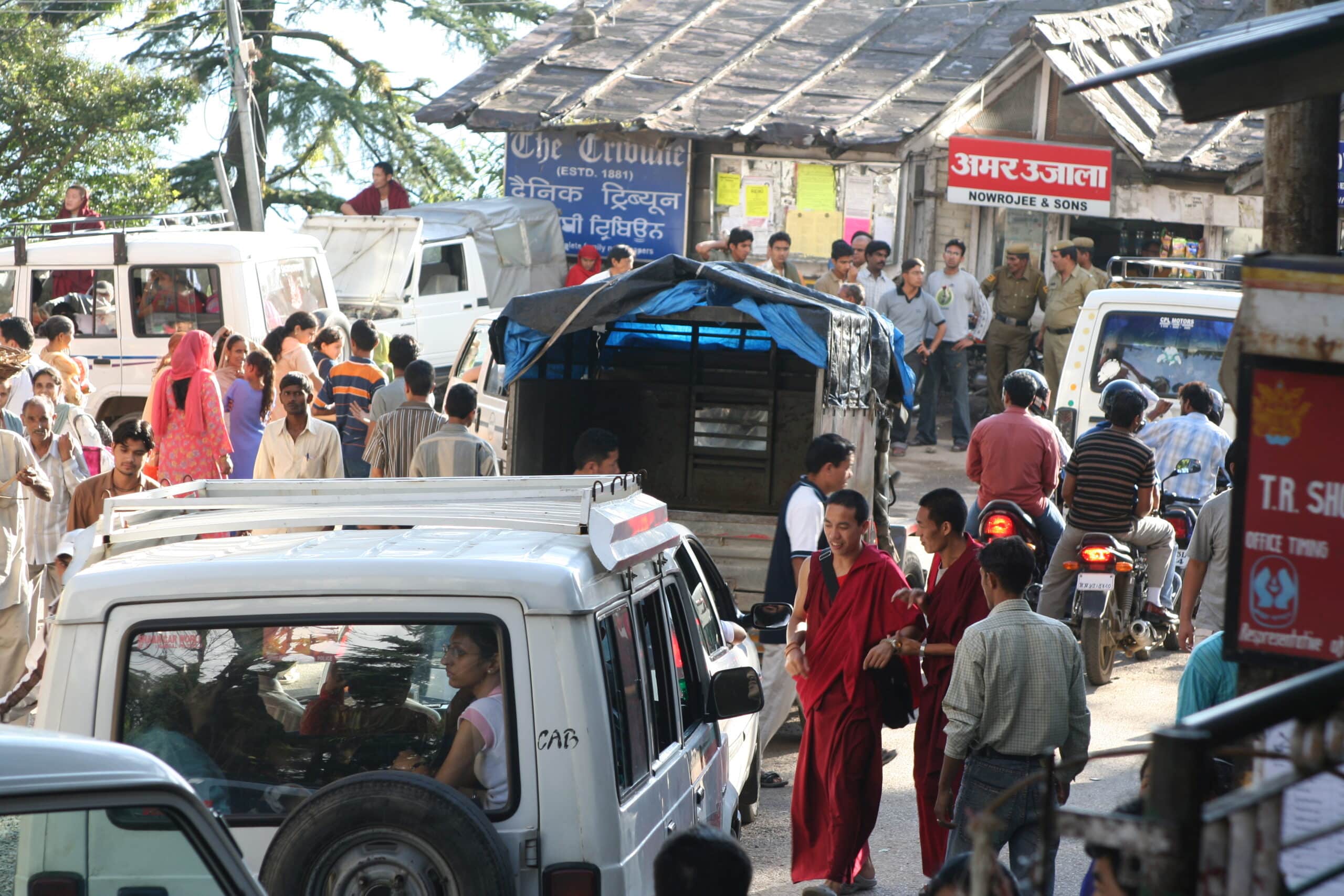
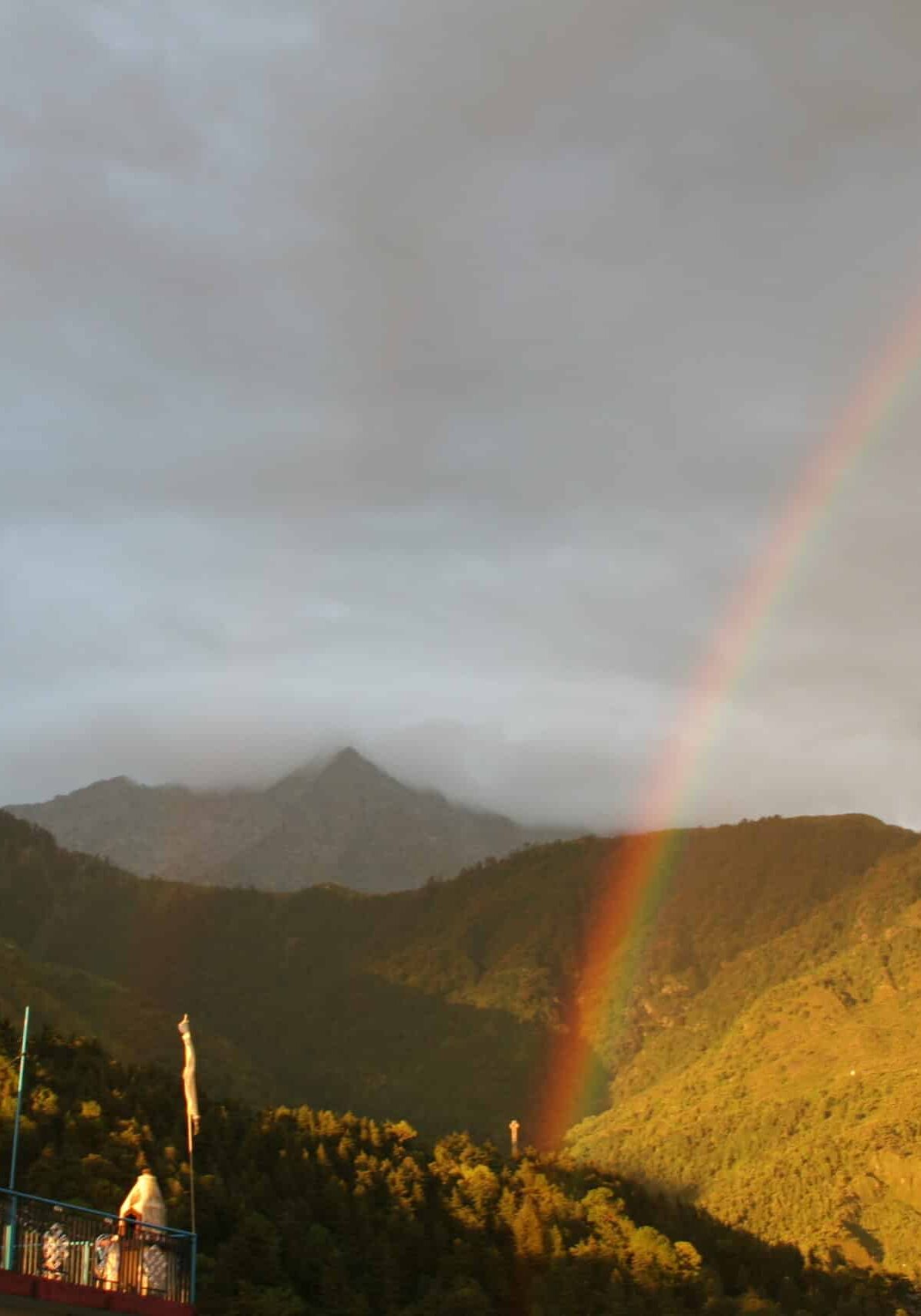
The Ground of Creative Awareness Conference is a 10-day professional development program based in Dharamsala, India, within the Tibetan exile settlement in McLeod Ganj, home of His Holiness the Dalai Lama. The group will become immersed in the local Tibetan community through talks, tours, workshops, and discussions.
Participants will be introduced to Tibetan Buddhist understandings of the nature of mind, including the cultivation of attention, the investigation of perception, and the relationship between awareness and conceptual thought. Through contemplative practice, philosophical dialogue, guest speakers, and experiential workshops, we'll explore how these traditions illuminate the conditions from which imagination, insight, and creative expression arise.
Group members will have the option to share their creative work or areas of interest through short, informal presentations/discussions on their work or topic of interest through informal presentations and conversations.
This journey may be especially supportive for:

JOIN US IN INDIA
DATES: November 21-30 2027
WHERE: A cultural immersion in Dharamsala, India, within the Tibetan exile settlement in McLeod Ganj, home of the Dalai Lama.
Facilitated by Dr. Cat Smith in collaboration with the Louisiana Himalaya Association and Lha.
Now open for applications.
A portion of the proceeds will go to the Tibetan community in exile through a donation to the Louisiana Himalaya Association and Lha to support one of their local social work projects.
ABOUT
Experience Intentional Travel
Since 1997, the Louisiana Himalaya Association(LHA) and its India-based partner, Lha Charitable Trust—Institute for Social Work and Education(Lha) have organized programs in India with the mission of supporting the Tibetan exile community, sharing its ancient wisdom traditions, and fostering cross-cultural dialogue.
Over 50 groups in the past 20 years include partnerships with the Louisiana-Mississippi Hospice and Palliative Care Organization (LMHPCO), Tulane's School of Medicine and School of Social Work, LSU's School of Medicine, and Loyola's Nurse Practitioner Program.
A portion of the proceeds from the conference will benefit Lha's social service projects for the Tibetan exile community as well as the Louisiana Himalaya Association.

THE PROGRAM
Five Themes Of Exploration
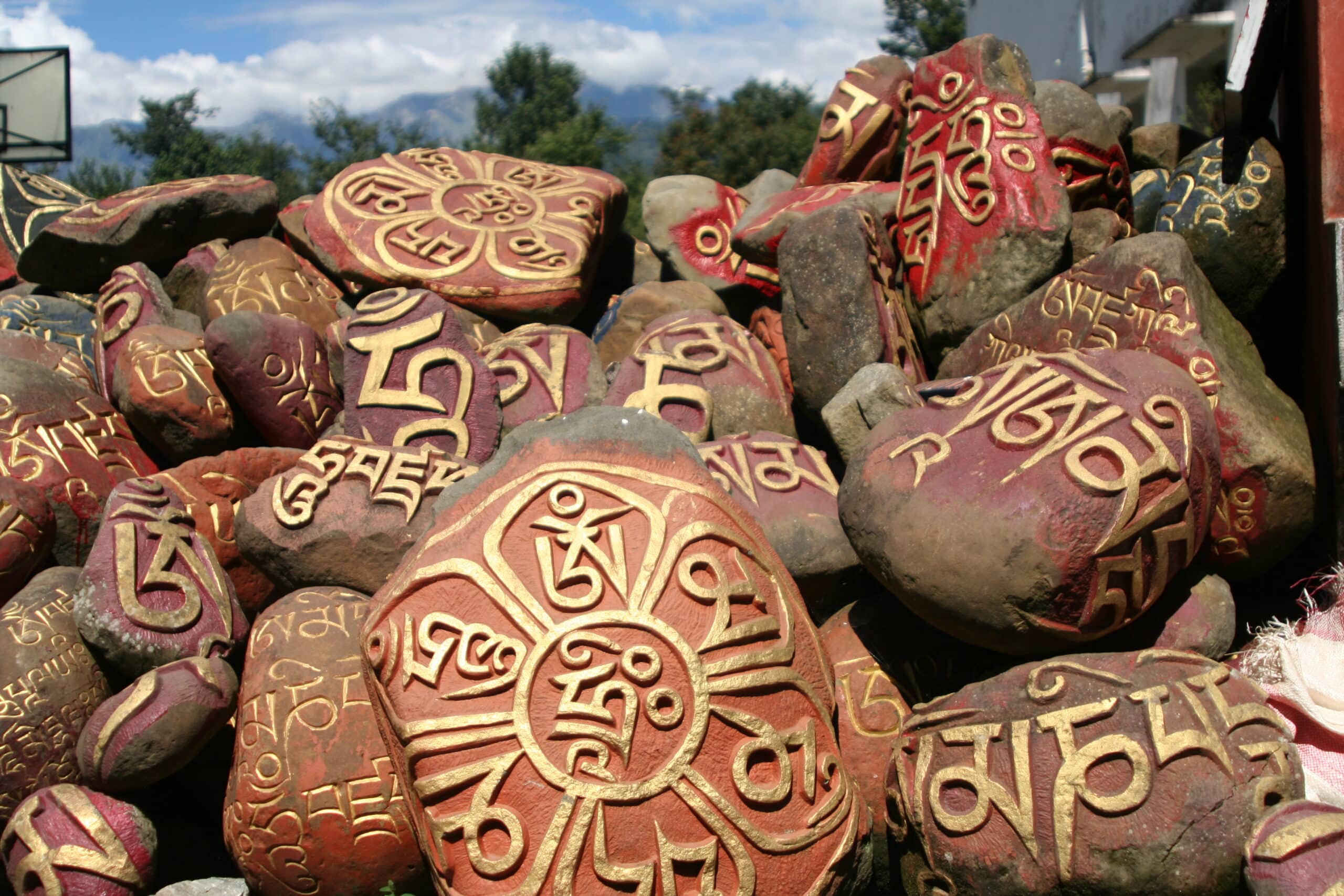
Art has long been central to Tibetan culture, serving not only as a form of creative expression but also as a means of transmitting Buddhist philosophy, spiritual teachings, and collective memory. Since the Tibetan diaspora began in 1959, artistic traditions have taken on an added significance, helping preserve cultural identity across generations and geographical boundaries. From thangka painting and traditional craftsmanship to contemporary art, creative practice has become both an act of cultural preservation and a way of responding to the experience of exile. Art remains a vital link between Tibet's past and its evolving cultural future.

01 The Nature of Mind: Awareness as the Ground of Creativity
Tibetan Buddhist philosophy offers sophisticated investigations into the nature of mind, the arising of thoughts, and the relationship between awareness and perception. Drawing on contemplative approaches to attention and the observation of mental experience, we'll explore the space in which images, insights, and creative impulses first emerge, before they take conceptual or artistic form.
02 Sacred Visualization: Symbolism and the Imaginal Mind
Within Tibetan Vajrayana Buddhism, visualization practices employ elaborate sacred imagery, symbolic forms, and contemplative techniques to investigate and transform one's relationship to experience. We'll examine the philosophical and spiritual foundations of these practices and consider what they reveal about imagination, symbolic perception, and the relationship between inner imagery and artistic expression.
03 Thangka Painting: Art as a Contemplative Practice
Traditional Tibetan thangka painting brings together sacred symbolism, precise artistic techniques, and disciplined attention. More than an aesthetic practice, these paintings serve as supports for meditation, philosophical teaching, and spiritual cultivation. We'll explore how the act of making art can become a practice of sustained awareness, inviting a different relationship to perception, intention, and creative expression.
04 Sand Mandalas: Impermanence and the Creative Process
The intricate creation and ceremonial dissolution of Tibetan sand mandalas offer a powerful encounter with the Buddhist teaching of impermanence. Through this tradition, we'll consider the relationship between creativity and nonattachment, exploring what becomes possible when we loosen our identification with the finished work and approach making as a process rather than a product.
05 Tibetan Contemplative Science: Meditation, Perception, and Consciousness
Tibetan Buddhist traditions have developed rigorous systems of philosophical inquiry and contemplative practice concerned with attention, cognition, emotion, and the nature of consciousness. We'll explore these approaches alongside contemporary perspectives from psychology, neuroscience, and the creative arts, considering how first-person investigation of the mind might deepen our understanding of perception, imagination, and creativity.
MEET THE FACILITATOR
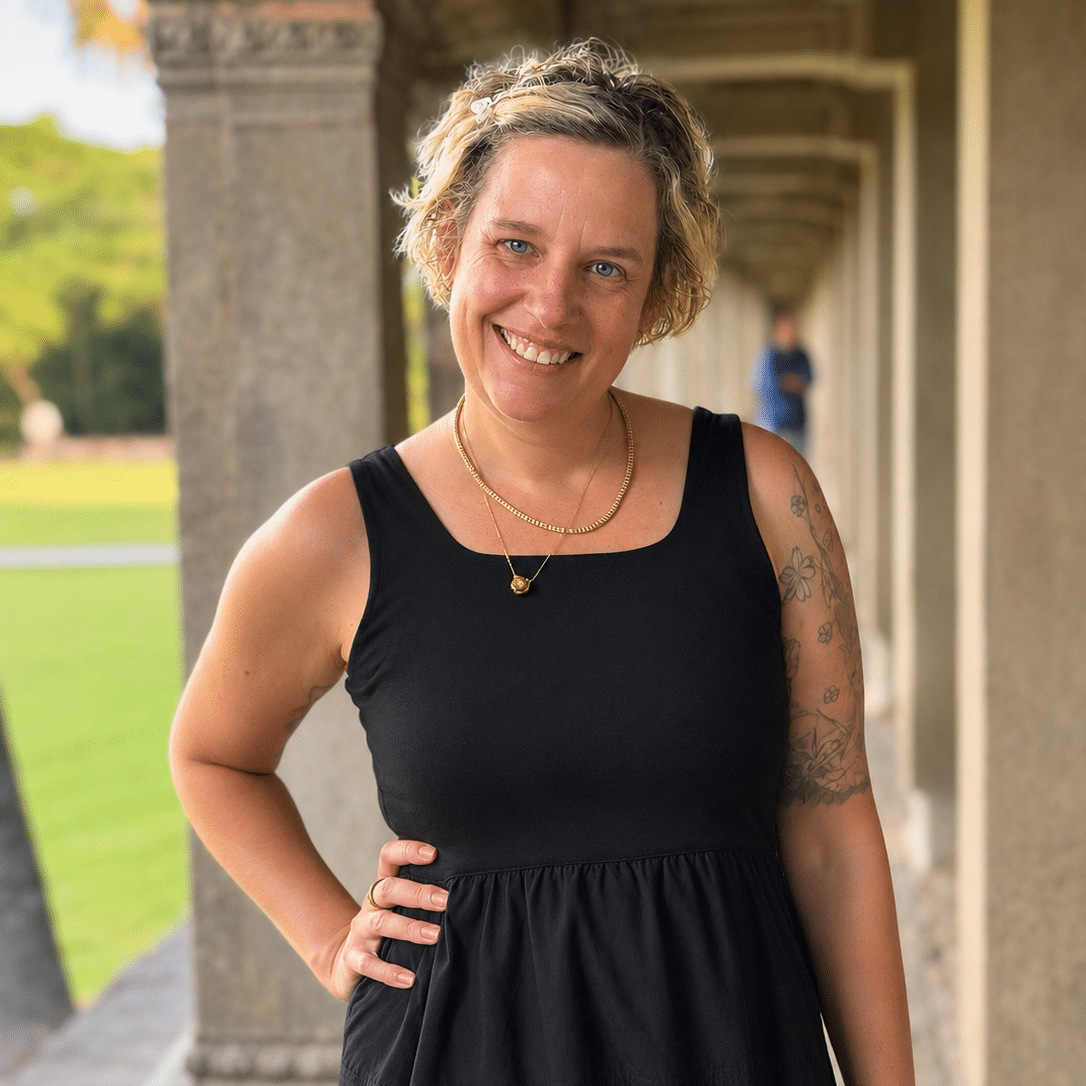
Catherine Smith
PhD, LCSW
Dr. Cat has a PhD in Depth Psychology with an emphais on integrative thearpies and heaing practices and is a NYC and Hawaii based psychotherapist with 15+ years of experience in private practice.
She is the creator of BilateralDepth and the Open-Follow Method, a depth-oriented approach to psychological and somatic inquiry grounded in opening the archetypal eye and following the natural unfolding of the psyche.
Certified Ashtanga Yoga Teacher
Masters Thesis
2005
Dr. Cat began her relationship with Lha and the community in Dharamshala during her research for her Master's thesis while attending Tulane University. While in India, Katrina hit New Orleans and Cat, along with a small group of Tulane students, watched the devastation from afar. The compassion and loving-kindness shown by the Tibetan community became a defining moment.
She has since returned to the community regularly over the years and is thrilled to collaborate with Lha to bring a group to experience this increidble community and learn from their wisdom.
"If you think you are too small to make a difference, try sleeping with a mosquito"
DALAI LAMA XIV
THE DETAILS
STANDARD ROOM
Typically at Ram Yoga House (based on availability)
$1,875 (Deposit $300)
DELUXE ROOM
Typically at Norbu House (based on availability)
$2,375 (Deposit $500)
ROOM PLUS CONTRIBUTION
Room of choice plus contribution to community donations
Please specify in the application to decrease or increase the desired contribution amount.
THE FEE INCLUDES:
WHAT IS NOT INCLUDED:
- International airfare
- Domestic airfare from Delhi to Dharamsala,India
- Visa
- Travel Insurance
- Personal items such as souvenirs, etc.
Frequently Asked Questions
What are the next steps?
Please send a deposit to secure your spot. Deposits will be refunded in full (minus fees) if the trip does not take place. Payments are non-refundable one month before the trip.
Who is it for?
We welcome psychologists, psychotherapists, counselors, educators, social workers, artists, researchers, and curious minds from a variety of disciplines. Whether your interests are professional, creative, or personal, you'll find a stimulating environment for learning, meaningful dialogue, and connecting with others who share a spirit of inquiry.
Do I need to be an artist or have a creative practice?
Not at all. Creativity is approached as a way of thinking, exploring, and discovering rather than a measure of artistic ability. No previous experience is necessary, just curiosity and a willingness to try something new.
What about money during the trip?
If you don't already have a travel-friendly debit card, we strongly recommend a card like the free Schwab Checking that you can use to withdraw cash at any ATM worldwide and at establishments that take cards, without transaction fees (Schwab reimburses you at the end of the month). We advise the same for a credit card if you plan to make larger purchases. This is preferable to traveling with lots of cash for your own safety. It’s recommended to withdraw some rupees at an ATM upon arrival and bring a few hundred USD that you can exchange (not at the airport) if needed. Sometimes ATMs in Dharamsala run out of cash. The XE.com app is very helpful!
How many people will be on the trip?
The group will range between 8-12 participants.
What will the weather be like and what should I pack for attire?
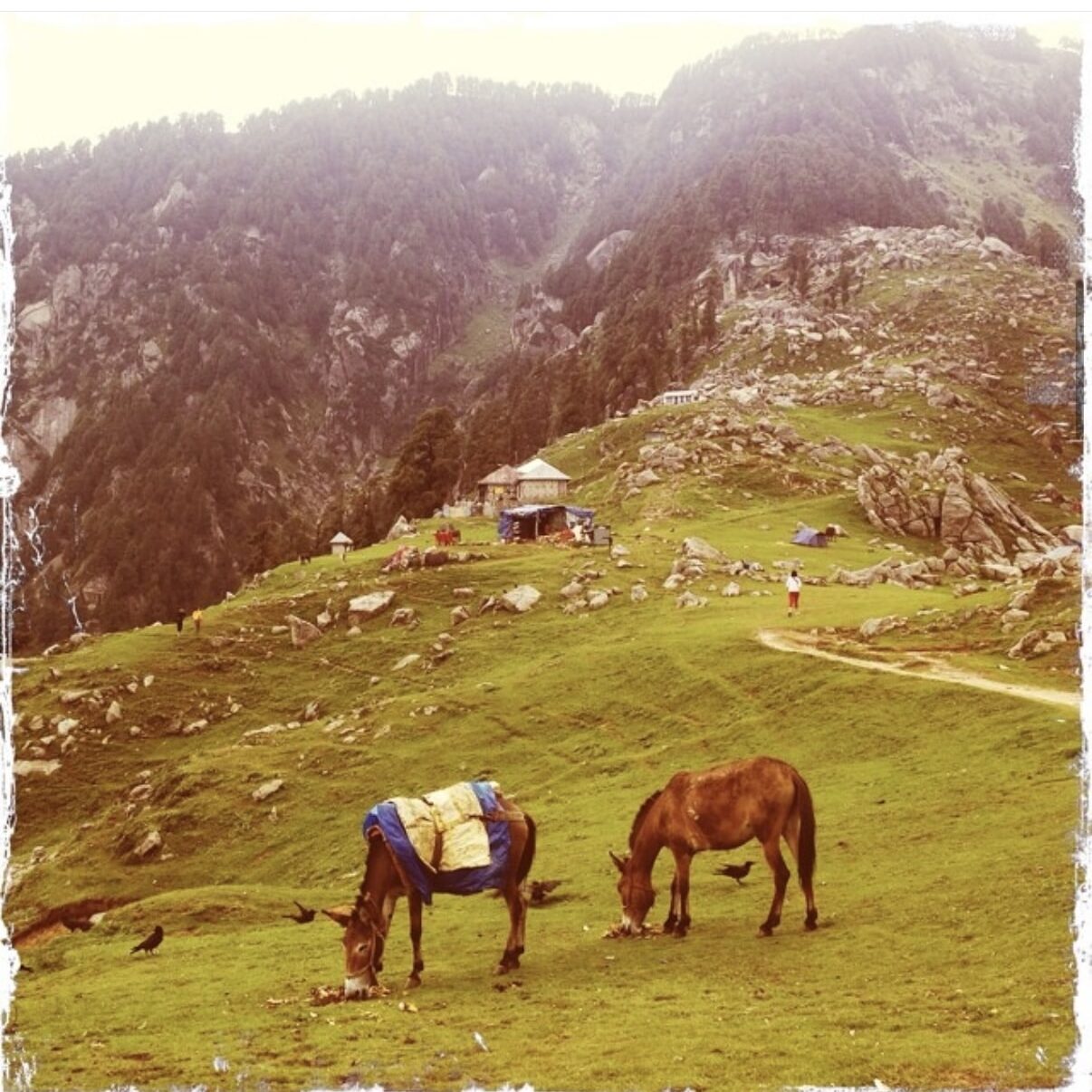
As you prepare for the trip, our #1 tip is comfortable walking/hiking shoes. McLeod Ganj is at an elevation of about 6,800 feet and even daily walking around town is uphill/downhill.
In November, temperatures are typically warm during the day and cool at night.
Our dress code is casual/comfortable and we can go to a tailor if you'd like to buy a Tibetan outfit for special occasions like temple visits. Our primary request is that you dress modestly; no shorts above the knee, exposed shoulders, chests, midriffs; while you may see folks wearing different outfits as it’s an international tourist destination, we prioritize respect toward the monastic community as representatives of Lha. Women are always encouraged to have a shawl for temples, holy sites, etc.
What if I'm coming on my own?
You'll be in good company. Many participants travel independently, and the gathering offers a warm, welcoming atmosphere where connections develop naturally. Shared meals, workshops, conversations, and cultural experiences create opportunities to meet like-minded people, exchange ideas, and build friendships, while leaving plenty of space for personal reflection and time to yourself.
How active is the program?
Expect an enjoyable balance of presentations, creative workshops, cultural excursions, temple visits, and optional activities such as yoga and gentle movement. The pace is designed to be comfortable rather than demanding, with flexibility to participate according to your interests and energy levels, and plenty of opportunities to rest and recharge.
Most meals will be at Lha's vegan cafe unless otherwise indicated. Morning and evening meals will generally be followed by discussion/reflection. Group members will have the option to give short, informal presentations/discussions on their work or topic of interest throughout.
A Note on Schedule:
Please note, due to the nature of travel in India, the itinerary will remain flexible throughout the trip.
We recommend participants arrive at least one day prior if possible to adapt and acclimate. For those who would like to travel in India beyond the trip dates, we strongly suggest doing so after the conference and not before.
Do I need to get vaccines?
Here are the current CDC guidelines for vaccines. Nothing is required and what you get is a personal choice. A trusted mentor-physician who traveled to India frequently advised the following: Get the tetanus shot if you haven't in the past five years and get the Hepatitis A shot if you haven't had two vaccines at any point in your life. Malaria is uncommon in the region we'll be in. We strongly recommend participants begin taking probiotics the month before our trip as it will mitigate stomach issues.